




コラム
コラム 一覧
2025.07.31
アミンとは?
1. アミンとは?
アミンとは、アンモニア(NH₃)の水素原子が炭化水素基に置き換わった構造を持つ有機化合物の総称です。
基本的には、1級アミン(1つの炭化水素基)、2級アミン(2つ)、3級アミン(3つ)に分類され、それぞれ異なる反応性や物理的性質を持ちます。
アミンは、医薬品、農薬、界面活性剤、染料、ガス処理剤など、非常に幅広い分野で利用されており、現代の化学産業において欠かせない存在です。
特に工業用途では、アミンは酸性ガス(CO₂やH₂Sなど)の吸収剤として活用されることが多く、天然ガスの精製や炭素回収技術(CCUS)において重要な役割を果たしています。
代表的なアミンとしては、MEA(モノエタノールアミン)、DEA(ジエタノールアミン)、MDEA(メチルジエタノールアミン)などがあり、それぞれ吸収能力や再生効率、腐食性などの特性が異なります。
また、アミンは金属加工油や洗浄剤、化粧品原料としても使用されており、製品の性能向上や環境負荷低減に貢献しています。
2. アミンのメリット・デメリット
アミンは多用途にわたる有機化合物であり、産業界において非常に重宝されていますが、その一方で取り扱いには注意が必要な側面もあります。
メリット
1) 高い反応性と選択性
アミンは酸性ガス(CO₂、H₂Sなど)との反応性が高く、ガス処理や炭素回収において非常に効率的です。
特にMDEAなどは、H₂Sに対する選択吸収性が高く、再生時のエネルギー消費も抑えられるため、運用コストの削減にもつながります。
2) 多様な用途
アミンはガス処理剤だけでなく、金属加工油、界面活性剤、医薬品原料、香料抽出など、さまざまな分野で活用されています。
製品の性能向上や環境対応の観点からも、アミンの導入は有効です。
3) カスタマイズ性
1級、2級、3級アミンといった構造の違いにより、用途に応じた最適なアミンを選定できる点も大きな利点です。
デメリット
1) 腐食性・毒性のリスク
一部のアミンは高温下で腐食性を示すことがあり、設備材質の選定や防食対策が必要です。
また、吸入や皮膚接触による健康リスクもあるため、適切な安全管理が求められます。
2) 環境負荷への配慮
廃液処理や排ガス中のアミン揮発成分への対応など、環境規制への適合も重要な課題です。
3.当社の取扱いアミン群と取り組み事例
● 取扱いアミン
MDEA(メチルジエタノールアミン)
>>ガス処理、炭素回収(CCUS)、金属加工油・切削油、半導体・液晶分野、香料・抽出溶媒など
MMEA(メチルモノエタノールアミン)
>>金属加工油、界面活性剤、電着塗装、ガス処理補助剤(MDEAとのブレンドで使用)
MEA(モノエタノールアミン)
>>洗浄剤、ガス処理、界面活性剤、pH調整剤、金属加工油、農薬など
DEA(ジエタノールアミン)
>>洗浄剤、ガス処理、界面活性剤、pH調整剤、金属加工油、農薬など
TEA(トリエタノールアミン)
>>化粧品、パーソナルケア、医薬品、金属加工油、セメントの粉砕助剤など
DCHA(ジシクロヘキシルアミン)
>>金属加工油、防錆剤、界面活性剤、農薬、ゴム薬品・加硫促進剤など
MIPA(モノイソプロパノールアミン)
>>洗浄剤、金属加工油、界面活性剤、塗料・ワニスなど
● 取り組み事例
INEOS Gas Spec社との総代理店契約締結(MDEA、MMEA)
>>高品質な製品の安定供給と、技術的なサポート体制を強化。
顧客ニーズに応じたカスタム対応
>>INEOS Gas Specの技術力を活かし、用途に応じた処方提案や製品調整が可能。
東西拠点での在庫販売・小口対応
>>納期対応力と柔軟な供給体制により、安定した取引を実現。
高純度・高安定性の製品供給
>>品質管理体制のもと、信頼性の高いアミン製品を提供。
こちらに記載のないアミンのご紹介も可能です。詳細は当社・化学品部までお気軽にお問い合わせください。
2025.01.23
輸入品ジエチレングリコール、タンク在庫販売事業について
かねてより韓国品、タイ品、中国品のジエチレングリコール(DEG)を輸入販売してきた当社ですが、
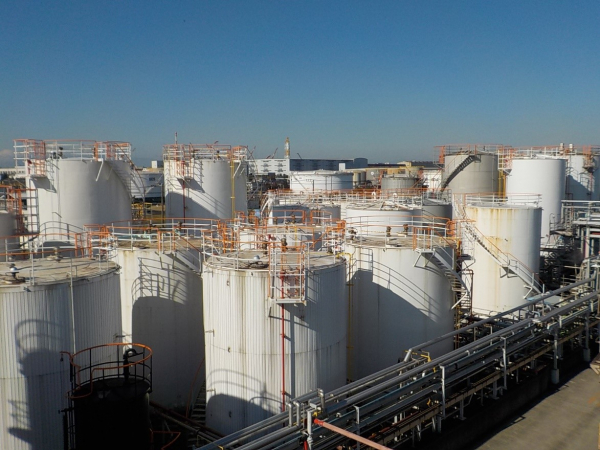
昨年11月、京浜地区でストレージタンク(500KL)を賃借し、国内で輸入品DEGの在庫販売を開始いたしました。
DEGは、モノエチレングリコール(MEG)の副産物となりますが、MEGは供給過多にあり、市況が悪い状況が継続しております。
そのような状況下、国内EGメーカーはMEGの生産量を減らすため、結果として国内のDEG生産量が減少し、輸入品への需要が増大しております。
実際に、2022年の大手石化メーカーのEG減産以降、国内需要家から輸入品DEGを求める声が高まっており、以前は5000トン前後だった輸入品が、2023年には1万トンに増加しました。
当社としては、ただ安いDEGを輸入販売するのではなく、「いかに安定供給体制を構築するか」という点に焦点を当て、今回のストレージタンク確保に至りました。
ストレージタンクの確保に伴い、タンクローリーでの販売体制も整えております。また、小分け対応を実施しており、ドラム単位での販売も可能です。
長期的な目線で、日本国内の需要家のモノづくりを支えるべく、輸入品DEGの供給体制をより盤石にしたいという考えです。
2024.10.17
生物発酵で作るセバシン酸
セバシン酸は二塩基酸の一種で、炭素数10個から成る長鎖二塩基酸です。
従来、セバシン酸はひまし油を原料にして製造しており、製造工程は下記のようになっています。
①ひまし油をグリセロールと脂肪酸の混合物に加水分解します。
②①の混合物を精製してひまし油酸を作ります。
③ひまし油酸をフェノールを介して高温高圧下環境でセバシン酸とオクタノールに生成します。
これに対し、生物発酵法では、
①ノルマルパラフィンを微生物(菌)が食べます。
②その菌から排出される酸を分溜工程を経て、DC10からDC18までの異なる炭素数の二塩基酸の製造を可能としています。
また製造工程では、生物が活発に動けるよう常温常圧になっています。
このように生物発酵で作るセバシン酸は従来の製法と大きく異なっており、
2022年に世界で初めて中国のCathay Biotech Inc.(以下、CATHAY社)が開発に成功しました。
そして現在も生物発酵でセバシン酸を製造する唯一のサプライヤーとして世界の二塩基酸市場を席巻しています。
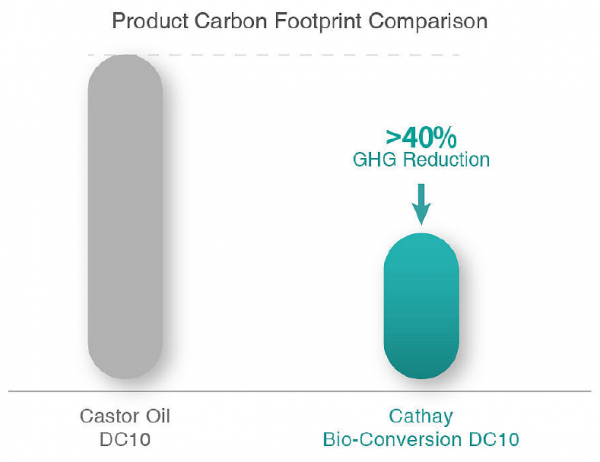
生物発酵で作るセバシン酸は原料こそ石化由来ですが製造工程において二酸化炭素の排出量を大幅に減らすことに成功したため、
トータルでの二酸化炭素の排出量を測る指標であるGHGスコアを40%削減することができました。
菌がノルマルパラフィンを食して酸を作る、とてもユニークな発想は、残念ながらCATHAY社の技術の肝になるため、詳細は開示されていませんが、SDGsが叫ばれる昨今、世界でシェアを広げている理由がここにあると思われます。
弊社とCATHAY社は約10年にわたるお付き合いの中で、現在はセバシン酸およびドデカン二酸を中心に国内各所に在庫拠点を設けながら販売しております。
来日、訪中をお互いに繰り返し、人的交流を活発に行っております。
今後もより良い製品の提供ができるようCATHAY社とともに連携していきます。

2023.02.07
再生ベースオイル(Re-refined base oils) に関する取り組みについて
潤滑油は主にベースオイルと添加剤で構成されますが、
弊社潤滑油部門では、再生ベースオイル/再生基油(Re-refined base oils)の三国間貿易を行っており、同時に日本での普及も推進しております。
日本では、エンジンオイル等の使用済潤滑油が毎年60万KL発生しその大部分が再生重油としてサーマルリサイクルされております。
弊社では古くから国内外で再生重油製造事業者様と共にそういった再生燃料の普及促進を行ってきました。
一方、欧米では使用済み潤滑油は化学的に再精製(溶剤/水素化/薄膜蒸留等)し再生基油として再度潤滑油に戻すマテリアルリサイクルが一般的です。(欧州55%、米国50%)
品質上バージン基油と同等と見なされ、EU全体で販売されている潤滑油の内13%は再生基油が使用されており、イタリアでは30%に達しております。
日本でも2050年カーボンニュートラル宣言以降、CO2排出を伴わない使用済み潤滑油のマテリアルリサイクルについて議論が深まってきました。
再生基油は、GEIR(欧州廃油再精製産業協会)によると製造過程で排出されるCO2の50%以上が削減されることがいくつかのLCAで確認されてます。
BCPの観点からも輸入原料である原油や製油所稼働に依存する事なく安定供給が確保できる再生基油はベースオイルの安定供給につながります。
日本で再生基油が一滴も製造されていない現状において、需要創出、OEMの承認と保証、社会システムの構築は容易ではなく段階的に推進していく必要があります。
まずは、グローバルOEM向けの実績を積み重ねてきた再生基油の輸入品の国内普及を促し、最終的に国内精製品を有効活用していく形での社会実装が最も現実的と言え、阪和興業ではその輸入、国内再精製の両面において、様々な働きかけを行っております。
弊社は従来から海外で製造されている再生基油の取り扱いを行っており、唯一の再生べースオイル輸入商社として、潤滑油品質委員会にオブザーバーとして参加し各国の製造業者へのヒアリング、交渉及び、サンプル評価も行っております。
経済産業省の委託調査事業、「潤滑油の安定供給に向けた原料確保の多様化に関する調査・分析事業」に関して、弊社のヒアリング内容が掲載されておりますので、ご参照ください。
2022年 潤滑油の安定供給に向けた原料確保の多様化に関する調査・分析事業調査報告書
(P31~)
2021年 潤滑油の安定供給に向けた原料確保の多様化に関する調査・分析事業調査報告書
(P28~)
担当課室名:資源エネルギー庁 資源・燃料部石油精製備蓄課
委託事業者名:一般社団法人潤滑油協会
再精製基油に加えて、カーボンニュートラル基油、バイオマス基油、その他植物由来化学品等、様々なサスティナビリティに関する化学品について、以下、フォームからお気軽にお問い合わせ頂けましたら幸いです。
※参考
-阪和興業は、戦後、不要船舶を解体してスクラップや重油の販売を行っておりました。歴史的にリサイクルに関するビジネスに古くから関わっており、金属スクラップ(子会社:昭和メタル等)、古紙のトレーディング、タイヤチップの輸入販売、廃プラと紙を固めたRPF燃料製造(子会社:西部サービス)、バイオマス燃料の輸入販売(PKS、ウッドペレット)等、リサイクル事業を通じたカーボンニュートラル社会の実現に向けた取り組みを推進しております。
2022.01.07
尿素危機、現況と阪和興業の取組み
昨年10月より始まった中国の尿素輸出規制後、尿素不足により世界的に混乱が続いた。日本国内においても基礎化学品である尿素を必要とする事業が多く、あらゆる産業で尿素不足における影響が出始めていた。未だ国内需要に対する供給が逼迫している状況にあり、各社向こう数カ月は混乱が続くとみている。
その中、当社では昨年より、日本国内での需要を守るべく様々な対策を講じてきた。
昨年5月頃より中国国家開発改革委員と国内主要肥料メーカー各社との間で、国内価格および供給に関して度重なる会談が行われており、例年とは違った動向となることを予め当社では予想できていた為、中国からの輸入量の増量をおこなった。
日本国内向けの尿素輸入数量の半分近くは中国に頼っていることもあり、中国尿素が輸入されないと日本の産業にも大打撃を受けてしまう為、その危機に備え中国以外の各国からの尿素輸入を進めた。東南アジア諸国や欧州、中東、ロシアからの尿素仕入を次々と行い、現在国内需要向けの在庫として確保している。
国内品尿素の取扱数量も多く、尿素を必要とする国内需要家の皆様に平等に商品が渡る様、全国の在庫拠点に十分な在庫を行っている。
お問い合わせは阪和・化学品チームまで (TEL: 03-3544-2276 / chemical_team@hanwa.co.jp)
2021.11.25
尿素、今何が起きているのか?
世界中で様々な用途に使用される尿素。国際的な尿素の逼迫が叫ばれているが、今一体何が起きているのか?
世界全体の尿素生産量の約3分の一に相当する約7千万MTが中国国内で生産されている。各国への輸出量も世界の尿素貿易数量の1割強を占め、世界的に中国に頼る体制となっていた(2020年末時点)。その中、中国政府は2021年10月15日より尿素を含む肥料原料に対して法定検査(CIQ=China Inspection Quarantine)を開始することを決め、実質輸出規制がされることとなった。
中国輸出規制の背景
2020年、新型コロナの影響により世界的に尿素及び肥料需要が縮小し価格も下落傾向にあった。2021年に入ると各国の尿素需要が回復(主に肥料需要)し、加えて、尿素原料となる天然ガス・石炭価格が上昇。製造コスト上昇と需要の急増により国際的に尿素価格が過去最高水準に達した。中国からの各国への輸出量は8月時点で前年比の4割強増え、輸出価格が国内価格を大きく上回った。このことから中国政府が国内需要への供給確保を不安視し、更に急騰する価格を是正国内供給の安定化を図る為、輸出規制に踏み切った。
CIQが出される迄の経過として、中国国家開発改革委員会と中国主要肥料メーカー間で5月頃より9月にかけ幾度も会談が行われた。委員会としては①国内価格の安定化 ②国内供給の確保 ③農家へのサポート をメーカー側に求めたという。
10月15日以降は一切の輸出が許されず、各国にて混乱が発生。その中でも取り分け100%を輸入に頼る韓国では肥料向けだけでなく、車用脱硝用尿素水(AdBlue)用の尿素も不足し、車関連の物流問題にも至っている。各メディア報道の通り、韓国では政府主導で中国政府や各国からの尿素調達を動き始めている。11月初旬には韓国政府から外務省を通じ、中国に尿素支援を求めたことにより、CIQ検査の審査合格を早めることができ、11月23日、規制後初めて韓国の港に中国品尿素が到着した。
韓国に限らず世界各国での尿素不足は深刻化している。多様な用途で使用される化学品であるからこそ、多方面の産業に思わぬ影響をもたらす可能性がある。
当社では中国以外の様々な国からの尿素関しても多数取扱いを行っており、更にこれを機にソースを増やしている。
お問い合わせは阪和興業・化学品チームまで (chemical_team@hanwa.co.jp)。
2021.11.22
尿素とは?
尿素とは、無機化合物から初めて合成された有機化合物であり、幅広い用途を持つため有機化学史上、重要な物質とされています。
化学式はCO(NH2)2、無色・無臭の結晶であり吸湿性の高い化学品です。
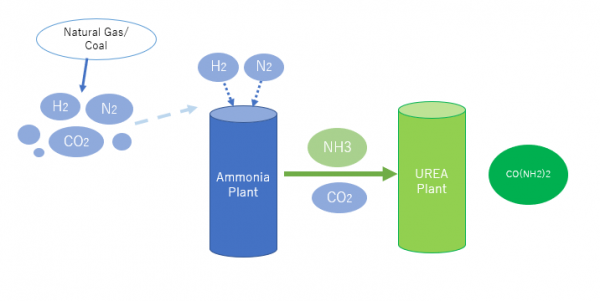
原料は天然ガスあるいは石炭であり、いずれかを水蒸気、空気と反応させることで水素・窒素・炭酸ガスを生成します。このうち水素と窒素をアンモニアプラントに送り、アンモニアを製造。最後に出来上がったアンモニアと炭酸ガスを尿素プラントに送ることで尿素を製造します。
用途としては肥料、接着剤樹脂、その他樹脂、脱硝用、車・船用SCRシステム還元剤(AdBlue/AUS40)、と幅広く使用されています。
世界需要は年間約2億トンであり、その8割以上が肥料・農業需要となっています。
グレードは大きく二つ、大粒(Granular)、と小粒(Prilled)があり、大粒は概ね農業用、小粒は工業用に使用されます。
What is Urea?
UREA, with its chemical formula CO(NH2)2, is an organic compound. It’s a colorless and odorless and hygroscopic material.
Natural gas or coal are the raw material for producing urea, the picture shows the rough process of the production.
The main application is the fertilizer uses, but it is also known as material for industrial uses such as adhesive resin, pigment, de-NOx system(AdBlue/AUS40), medical uses etc.
There are mainly two grade for urea; Granular and Prilled. Granular urea has relatively bigger particle size and mostly used in the fertilizer field, whereas the prilled urea is mostly for industrial and automobile uses.
Urea is produced throughout the world, and the demand is about 200million ton per year.
For further information, please contact the chemical team from Hanwa(chemical_team@hanwa.co.jp).
2021.09.22
PAO(ポリアルファオレフィン)とは
PAO(ポリアルファオレフィン/ポリαオレフィン)とは、LAO(リニアアルファオレフィン/リニアαオレフィン)を重合し、二量体、三量体、四量体、またはそれ以上にオリゴマー化した混合物を水素化精製した、硫黄、窒素、芳香族等の不純物を一切含まない、無色透明、無臭の化学合成油です。
原油の精製プロセスにより製造されるのではなく、化学プラントで製造される純粋な合成基油であり、鉱油と比べ卓越した性能差があります。
様々な過去の経緯、事情により製造工場は、米国及び欧州に集中しております。
PAOは潤滑油の基油(べースオイル)として配合する場合、主に以下の特徴を有します。
・粘度指数が高い
・流動点が低い/低温性に優れる
・引火点が高く、蒸発損失(Noack)が少ない
・せん断安定性に優れる
・熱・酸化安定性に優れる
一方以下のデメリットもあります。
・価格が高い
・添加剤の溶解性が低い
・シール収縮(エラストマーシュリンク)のリスクがある
主な用途は潤滑油であり、高品質、長寿命、省エネのニーズに対して配合される他、鉱油系べースオイルの品質向上目的で添加される事もあります。
エンジンオイル用途で使用される場合は、API GroupⅣべースオイルのカテゴリに入ります。
その他、グリースや工業用潤滑油、風力発電オイル、食品用潤滑油のべースとなる他、化粧品原料、熱媒体、可塑剤、離型剤等様々な分野で広く利用されています。
更なる情報は以下、2ページをご参照ください
PAO(Polyalphaolefin/Poly-α-Olefin) is a clear, colorless, odorless, chemically synthesized oil that contains no impurities such as sulfur, nitrogen, aromatics, etc.
It is made by polymerizing LAO (Linear Alpha Olefin/Linear α-Olefin) and hydrogenating and refining the oligomerized mixture into dimer, trimer, tetramer, or more.
It is a pure synthetic base oil produced in a chemical plant, not through a crude oil refining process, and has a superior performance difference compared to mineral oil.
PAO, when blended as a base oil for lubricating oil, has the following characteristics
・High viscosity index
・Low pour point / Excellent low temperature properties
・High flash point and low evaporation loss (low Noack)
・Excellent in shear stability
・Excellent heat and oxidation stability
On the other hand, it has the following disadvantages
・High price
・Low solubility of additives
・There is a risk of seal shrinkage (elastomer shrinkage).
It is mainly used in lubricating oils to meet the needs for high quality, long life and energy saving, and is sometimes added to mineral base oils to improve their quality.
When used in engine oil applications, they fall into the category of API Group IV base oils.
In addition, it is widely used as a base oil for greases, industrial lubricants, wind power generation oils, food lubricants, cosmetic raw materials, heating medium, plasticizers, mold release agents, cooling systems, and many other fields.